


Oven vs. Microwave Oven Which One Do You Really Need
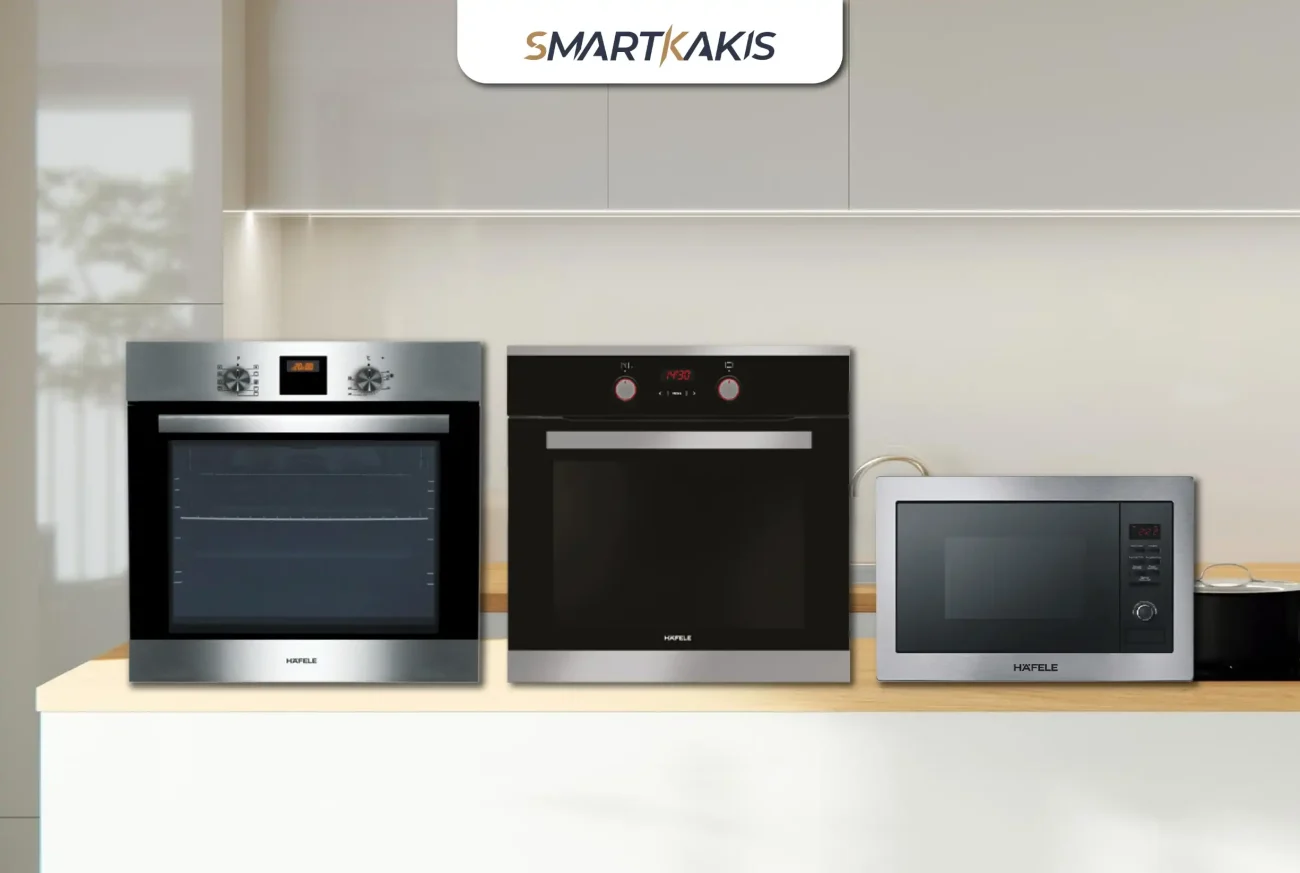
Understanding the Basics
Oven
An oven is a versatile kitchen appliance that uses conventional heating elements to cook food evenly. It allows for baking, roasting, grilling and other advanced cooking techniques. Ovens, especially those with hydro and aqualytic cleaning systems, offer effortless maintenance with self-cleaning features that break down grease and food residues efficiently.
Microwave Oven
A microwave oven, on the other hand, utilizes electromagnetic waves to heat food quickly. This appliance is designed for rapid cooking, reheating, defrosting, and certain types of baking and grilling.
Key Differences Between Microwaves and Ovens
- Cooking Method
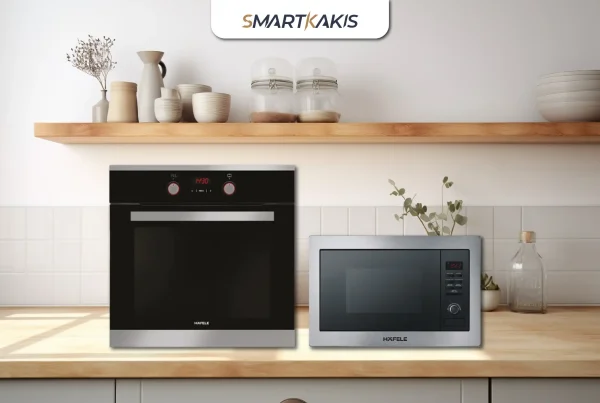
- Oven: Uses heating elements to distribute heat evenly, making it ideal for baking, roasting, and grilling.
- Microwave Oven: Uses microwave radiation to penetrate food molecules, heating them rapidly from the inside.
- Cooking Time
- Oven: Takes longer to preheat and cook food due to gradual heat distribution.
- Microwave Oven: Cooks food significantly faster, making it ideal for quick meals and reheating.
- Temperature Range
- Oven: Typically reaches higher temperatures, making it suitable for complex baking and roasting.
- Microwave Oven: Operates at lower maximum temperatures but efficiently heats and cooks food in a shorter time.
- Cooking Functions
- Oven: Features multiple cooking modes, including conventional baking, convection, grilling, and specialized steam cooking.
- Microwave Oven: Designed for heating, defrosting, and some grilling functions, with certain models featuring baking capabilities.
- Energy Efficiency
- Oven: Consumes more energy due to extended cooking times and high heat output.
- Microwave Oven: More energy-efficient as it cooks food quickly, reducing electricity consumption.
Microwave vs. Oven: What Can I Cook?
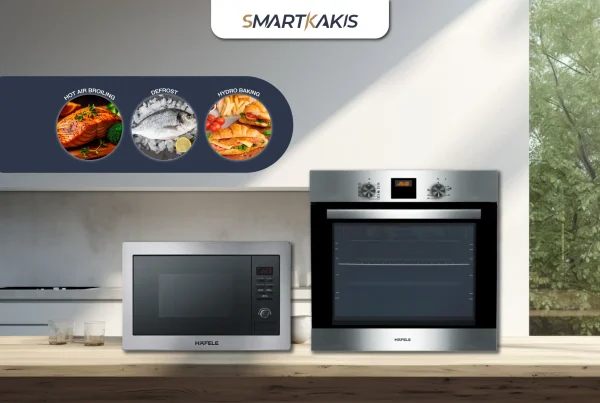
- Oven: Best for cakes, pastries, roasted meats, baked dishes, and complex recipes requiring precise heat control.
- Microwave Oven: Ideal for reheating, defrosting, steaming vegetables, making quick meals, and light baking.
Technical Considerations
- Oven: Requires proper installation and ventilation, often integrated into kitchen furniture.
- Microwave Oven: Compact, easier to install, and suitable for small kitchen spaces.
- Hydro and Aqualytic Cleaning (Oven): Ensures easy maintenance with steam-assisted cleaning.
Which One Do You Really Need?
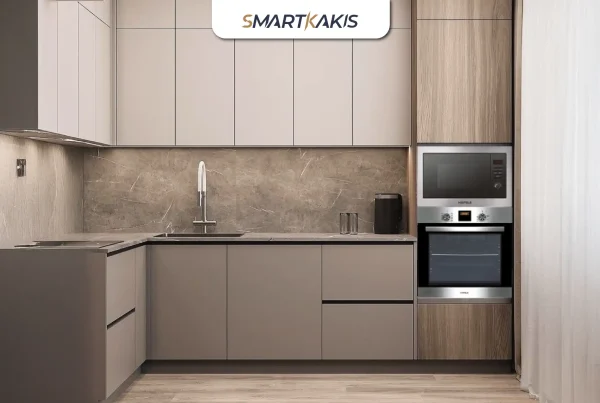
Choosing between an oven and a microwave oven depends on your cooking habits:
- If you bake, roast, or cook elaborate meals, an oven is a must-have.
- If you need quick cooking and reheating, a microwave oven is more practical.
- For versatility, a combination of both allows you to enjoy the benefits of both appliances.
Final Thoughts
Both ovens and microwave ovens have their unique advantages. Understanding your cooking preferences, available kitchen space, and energy consumption needs will help you make the right choice. Whether you prioritize speed, versatility, or traditional cooking methods, selecting the right appliance will enhance your kitchen experience.
Explore our Häfele oven and microwave collections and find the perfect fit for your kitchen today!
💡 Want a detailed shortlist of must-haves for your home kitchen in 2025?
👉 Read our full guide: Important Kitchen Appliances Every Singapore Home Must Have in 2025
FAQs
1. Can I bake in a microwave oven?
Some microwave ovens feature baking functions, but traditional ovens provide better results for baking.
2. Are ovens harder to clean than microwaves?
Ovens with hydro and aqualytic cleaning functions make maintenance easy, while microwaves are generally simpler to clean.
3. Which one consumes more electricity?
Ovens consume more electricity due to longer cooking times, whereas microwaves are more energy-efficient for quick cooking.
4. Can a microwave replace an oven?
While microwaves are great for reheating and fast cooking, they cannot fully replace an oven for advanced baking and roasting needs.
5. Which appliance is better for small kitchens?
Microwave ovens are compact and suitable for smaller kitchens, whereas ovens require more space and ventilation.